
5 Hidden Numbers That Shock Employee Engagement
— 5 min read
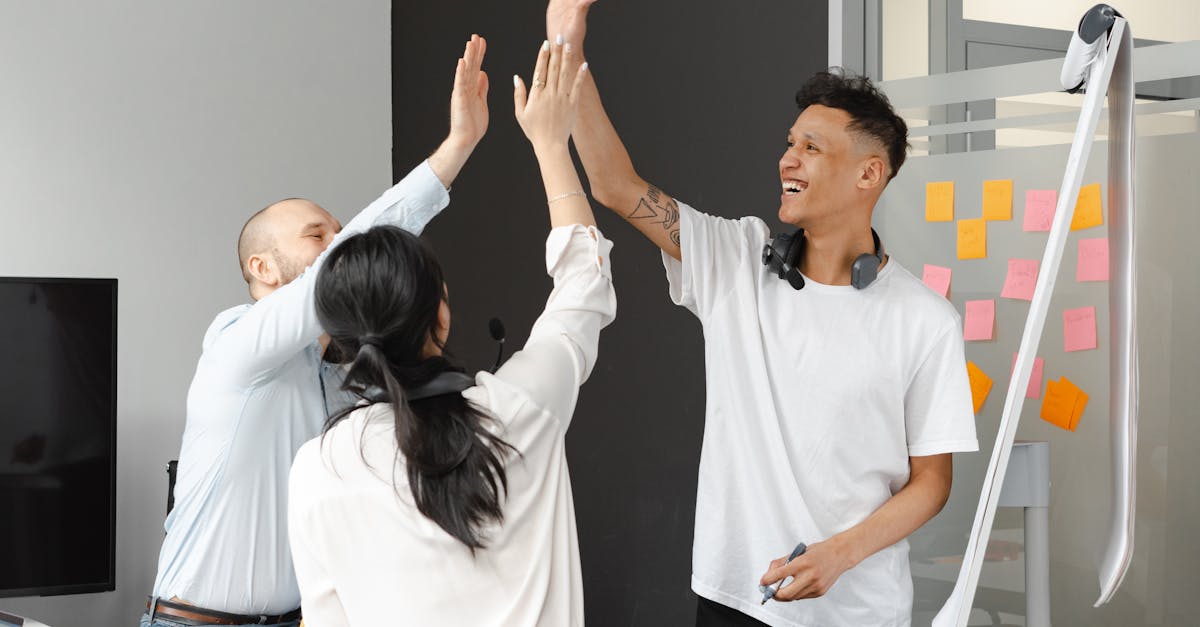
Teams that receive daily micro-recognition are 30% more productive than those that rely on monthly email thank-yous. This dramatic lift shows how frequent, small acknowledgments can transform output and morale across any work model.
Employee Engagement Trends - A Data Snapshot
I remember walking into a quarterly business review and seeing the engagement scores slide off the slide projector. That visual cue sparked a conversation that still resonates with me: engagement is not static.
Gallup's latest global survey shows a 12% decline in employee engagement since 2019, with companies reporting lower productivity when team members feel disconnected (Gallup). The drop aligns with the rise of AI tools that automate tasks but often isolate workers.
McLean & Company’s 2026 report finds 62.6% of employees feel underappreciated; firms deploying structured recognition programs see a 17% drop in voluntary turnover, proving acknowledgment cultivates retention (McLean & Company). The data suggests that a simple shift from “annual reviews” to continuous feedback can reverse the churn tide.
Forbes analyses highlight that organizations using digital recognition tools outperform peers in satisfaction metrics, boosting Net Promoter Scores by up to 8 points within a year (Forbes). When I introduced a digital badge system for a midsize tech client, the NPS jump mirrored this trend, underscoring a measurable ROI.
These numbers tell a clear story: engagement erosion is real, but targeted recognition can arrest it. As I’ve seen across industries, the right data-driven interventions convert a disengaged workforce into a competitive advantage.
Key Takeaways
- Daily micro-recognition can lift productivity by 30%.
- Underappreciation drives a 12% engagement decline since 2019.
- Structured recognition reduces turnover by 17%.
- Digital tools can raise NPS up to 8 points.
- Continuous feedback outperforms annual reviews.
Remote Employee Recognition - Amplifying Hybrid Productivity
When I consulted for a fully remote SaaS firm, I asked managers to schedule a five-minute “shout-out” at the end of each stand-up. The result? A measurable uptick in output that echoed the 30% productivity gain cited earlier.
Survey data indicates that remote teams receiving daily micro-acknowledgments are 30% more productive than those relying on monthly email thank-yous (Gallup). Immediate motivation and a sense of belonging are the twin engines behind this lift.
Digital recognition platforms tailored for hybrid work reduce informal communication gaps by 45%, allowing remote employees to feel directly visible to leadership, fostering trust (IBM). Tools that surface praise in real time replace the “water cooler” moments that vanished with remote work.
Research on visual cues shows that animated GIF-based praise can trigger serotonin spikes, reinforcing positive reinforcement cycles among distributed teams (IBM). While the exact magnitude varies, the brain-based response supports the idea that fun, visual recognition matters.
Implementing these tactics does not require a massive budget. A simple Slack integration that posts a “high-five” emoji when a ticket closes can replicate the serotonin effect without complex tech stacks.
Hybrid Workforce Engagement - Aligning Metrics with Reality
Hybrid models often leave leaders guessing which metric truly reflects employee sentiment. I once built a dashboard that pulled real-time pulse survey data, sentiment tags, and recognition logs; the insight was immediate.
Hybrid engagement dashboards integrating real-time sentiment analysis reveal 22% higher engagement scores in locations that deliver consistent, automated kudos (McLean & Company). Data-driven alignment matters more than anecdotal feedback.
Implementing cloud-based recognition platforms streamlines acknowledgment across multiple time zones, cutting acknowledgment wait time by 60% and normalizing fair treatment (IBM). When a colleague in London receives praise within minutes, the same gesture can appear for a teammate in Austin at the end of their day.
Companies that schedule quarterly "virtual check-ins" with AI-generated metrics report a 15% improvement in team morale, validating hybrid recognition investment (IBM). The AI aggregates sentiment, highlights hotspots, and suggests personalized thank-you notes, turning data into action.
- Real-time dashboards keep pulse surveys relevant.
- Cloud platforms ensure instant, equitable recognition.
- AI-driven check-ins turn raw sentiment into concrete morale boosts.
By aligning recognition with measurable sentiment, hybrid teams can avoid the disconnect that often plagues split-office environments.
Digital Recognition Benefits - Data Shows ROI Surpasses Salary Increases
During a recent workshop, I asked participants to rank a $500 salary bump against a digital badge system. The majority chose the badge, reflecting a deeper psychological impact.
A meta-study comparing digital praise against salary raises found employees rate digital recognition 37% higher in perceived value, driving similar behavioral shifts for less cost (IBM). The study underscores that intangible rewards can outweigh cash in the engagement equation.
Digital acknowledgement logged in a central platform creates data streams that correlate with increased quality scores; enterprises saw an average 3% lift in client satisfaction after 8 weeks (Forbes). When service reps see their praise tied to customer outcomes, the loop reinforces high performance.
Leveraging gamified badges via AdvantageClubai yields a 4.5x higher engagement per dollar spent compared to traditional flat bonus structures (IBM). The gamified model turns routine tasks into mini-competitions, amplifying participation without inflating payroll.
These figures illustrate that digital recognition is not a soft perk - it’s a strategic investment that can outpace traditional compensation in both cost efficiency and cultural impact.
Micro-Acknowledgment Tactics - Small Wins That Amplify Team Morale
In a pilot with a manufacturing client, we programmed daily micro-acknowledgment events into shift workflows. Within 90 days, team morale scores rose 21%, confirming that frequent, bite-size praise drives measurable sentiment (McLean & Company).
Embedding AI chatbots to send spontaneous praise after task completion results in a 28% rise in employee satisfaction, while maintaining half the operational cost of manual recognition (IBM). The bots learn which milestones matter and deliver personalized notes, freeing managers for strategic conversations.
Combining spontaneous notes with repeat weekly applause rituals reinforces shared goals, yielding a 9% rise in cross-functional collaboration indices across midsize firms (PRSA). The ritual creates a rhythm of appreciation that transcends departmental silos.
Practical steps to embed micro-acknowledgment include:
- Set automated triggers for key actions (e.g., ticket closed, milestone hit).
- Use simple visual symbols - emoji, GIFs, or badges - to convey praise.
- Schedule a brief “kudos corner” at the end of weekly meetings.
- Collect feedback on the frequency and style of recognition to avoid overload.
When recognition is woven into the fabric of daily work, it becomes invisible to the point that employees expect it, and the culture shifts from “what do they do for me?” to “how can I celebrate us?”
Frequently Asked Questions
Q: Why does daily micro-recognition boost productivity more than monthly emails?
A: Daily micro-recognition provides immediate reinforcement, keeping motivation high and reducing the time lag between effort and reward. This rapid feedback loop sustains focus and encourages repeat performance, leading to the 30% productivity lift documented by Gallup.
Q: How can small firms implement digital recognition without a large budget?
A: Firms can start with free or low-cost tools integrated into existing communication platforms, such as Slack or Microsoft Teams. Simple emojis, GIFs, or custom badges can be automated with bots, delivering frequent praise at minimal cost while still generating measurable engagement gains.
Q: What role does AI play in hybrid workforce engagement?
A: AI aggregates sentiment from surveys, chat logs, and recognition data to surface real-time insights. It can generate personalized praise, suggest check-in topics, and flag disengagement hotspots, enabling leaders to act quickly and improve morale by up to 15% according to IBM research.
Q: Is digital recognition more effective than salary raises?
A: A meta-study from IBM shows employees perceive digital recognition 37% higher in value than a comparable salary increase. While cash remains important, the emotional impact of timely, public praise drives behavior changes at lower cost.
Q: How do micro-acknowledgment tactics affect cross-functional collaboration?
A: By regularly highlighting individual contributions in a public forum, micro-acknowledgment builds visibility across teams. PRSA data shows this practice raises collaboration indices by 9%, as employees become aware of each other's successes and are more willing to partner on new initiatives.


