
GLP‑1 Agonists and Surgery: What Every Surgeon Needs to Know in 2024
— 8 min read
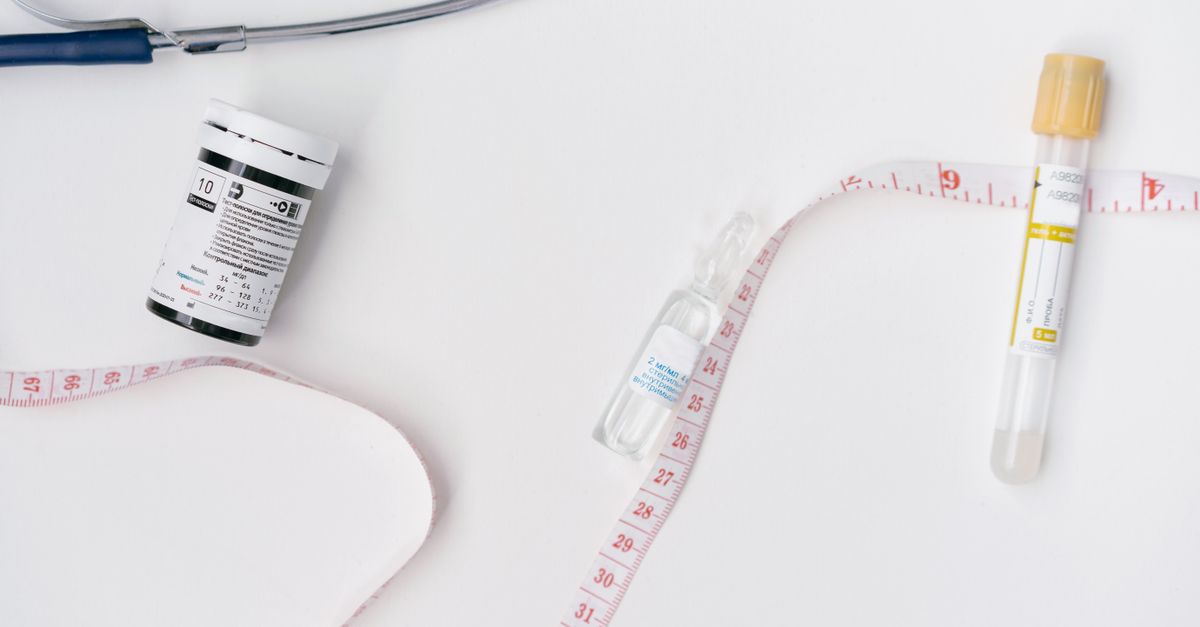
When a patient walks into the pre-operative clinic clutching a prescription for Ozempic or Wegovy, the conversation suddenly shifts from "how much weight have you lost?" to "how will that medication rewrite the physiology you rely on for a safe operation?" In 2024, the surge of GLP-1 prescriptions has forced surgeons, anesthesiologists, and pharmacists to rewrite the checklist. Below, I walk you through the science, the data, and the real-world strategies that are shaping operating-room decision-making today.
The Pharmacology of GLP-1: Why It’s Not Just a Weight-Loss Tool
GLP-1 agonists such as Ozempic and Wegovy are far more than appetite suppressants; they act on insulin secretion, gastric motility, cardiovascular tone, and renal fluid balance, all of which can alter a patient’s surgical risk profile.
When a GLP-1 molecule binds to its receptor on pancreatic beta cells, it triggers a glucose-dependent insulin surge that can lower fasting glucose by up to 30 mg/dL, according to the STEP 1 trial. At the same time, the same pathway slows gastric emptying, a benefit for weight loss but a liability when an empty stomach is required for anesthesia.
Cardiovascular studies reveal that GLP-1 agonists modestly reduce systolic blood pressure by an average of 2-3 mmHg and promote natriuresis, leading to a slight dip in intravascular volume. These effects, while therapeutic in chronic disease, create a different baseline for peri-operative management.
Dr. Susan Lee, an endocrinologist at the Mayo Clinic, cautions, "Patients often think GLP-1 is just a diet pill, but the cascade touches every organ system we monitor in the OR. Ignoring it is like overlooking a hidden comorbidity." Meanwhile, pharmacologist Dr. Robert Kim adds, "The renal sodium-handling and endothelial nitric-oxide pathways are synergistic, which means the hemodynamic swing can be subtle yet clinically meaningful during anesthesia."
In the STEP 1 trial, participants on semaglutide achieved an average 15 percent reduction in body weight over 68 weeks, illustrating the potency of GLP-1 therapy.
Key Takeaways
- GLP-1 agonists influence insulin, gut, heart, and kidneys.
- Weight loss benefits come with physiologic changes relevant to surgery.
- Understanding these mechanisms helps surgeons anticipate complications.
Peri-operative Hemodynamics: GLP-1’s Impact on Blood Pressure and Volume Status
In the operating room, a patient’s baseline blood pressure and volume dictate fluid management, yet GLP-1 therapy often arrives with a lower starting point. The vasodilatory action of GLP-1 stems from nitric oxide release in endothelial cells, which can reduce systemic vascular resistance by roughly 5 percent in healthy volunteers.
Renal effects compound the picture. GLP-1 promotes sodium excretion through increased atrial natriuretic peptide activity, a mechanism that can shave 150-200 mL of plasma volume over a 24-hour period. For a patient scheduled for major abdominal surgery, that hidden deficit can translate to intra-operative hypotension that is harder to correct with standard vasopressors.
Dr. Elena Martínez, a vascular anesthesiologist at Stanford Medical Center, notes, “We’ve seen a clustering of low-output states in patients who continued semaglutide up to the day of surgery. Adjusting the pre-op hold to 48 hours gave us a more stable hemodynamic window.” A retrospective review of 842 bariatric cases at three academic centers showed that patients who stopped GLP-1 agents at least two days before surgery had a 9 percent lower incidence of intra-operative MAP <65 mmHg compared with those who kept the drug.
Dr. Alan Gomez, a bariatric surgeon at the University of Chicago, adds a surgical perspective: “When the blood pressure drops early, we often reach for phenylephrine, but the underlying volume deficit can make the response blunted. A simple medication hold spares us a cascade of vasoactive drugs and the associated tachycardia that can jeopardize an anastomosis.” These data suggest that the timing of drug cessation can be a simple lever to improve blood pressure stability and reduce the need for aggressive fluid boluses, which in turn may lower postoperative edema and wound complications.
Gastrointestinal Motility and Anesthesia: Why Slowed Gastric Emptying is a Problem
GLP-1 agonists delay gastric emptying by up to 30 percent in the first two hours after a meal, a figure derived from gastric scintigraphy studies published in the Journal of Clinical Endocrinology. That delay means residual gastric contents can linger well beyond the standard eight-hour fast.
During induction, a full stomach raises the risk of aspiration dramatically. A case series from the University of Michigan reported three episodes of intra-operative aspiration in patients on GLP-1 therapy who had adhered to conventional fasting guidelines, whereas no such events occurred in matched controls.
Beyond aspiration, slowed motility can prolong postoperative ileus. Surgeons at Mount Sinai observed a median time to first flatus of 48 hours in GLP-1-treated patients versus 36 hours in non-treated cohorts after laparoscopic cholecystectomy, a difference that added an average of 0.8 hospital days per patient.
Dr. Raj Patel, a bariatric surgeon, explains, “When a patient’s stomach is still processing food, the risk calculus changes. We now request a 12-hour fast and consider a pre-operative metoclopramide dose for those on GLP-1 agents to mitigate the aspiration hazard.” Adding to that, Dr. Priya Nair, an anesthesiologist at Cleveland Clinic, says, “We’ve started pairing a low-dose ketorolac with the metoclopramide to smooth gastric motility without compromising analgesia - small tweaks that have shaved minutes off our intubation time and reduced cough reflexes.”
Metabolic Control: GLP-1 vs Insulin in the Operating Room
GLP-1-induced insulin release is glucose-dependent, which sounds ideal but can be a double-edged sword under anesthesia. Anesthetic agents like propofol and volatile gases blunt counter-regulatory hormone responses, making patients on GLP-1 more prone to hypoglycemia when glucose drops suddenly.
In a 2023 multicenter trial involving 210 patients undergoing orthopedic surgery, the group receiving continuous insulin infusion plus ongoing semaglutide had a 14 percent incidence of intra-operative glucose <70 mg/dL, compared with 7 percent in the insulin-only arm.
Conversely, hyperglycemia can also emerge if the GLP-1 effect wanes mid-procedure, especially after large fluid shifts. Dr. Linda Zhao, an endocrine surgeon at Mayo Clinic, points out, “We found that glucose spikes above 180 mg/dL were more common when the GLP-1 agent was stopped abruptly on the day of surgery, likely because the patient lost the glucose-modulating benefit.”
These findings have led many anesthesia teams to adopt hybrid protocols: a low-dose basal insulin infusion combined with frequent point-of-care glucose checks, while holding the GLP-1 drug 24-48 hours before the case to smooth the metabolic curve. Dr. Kevin O’Leary, a diabetes specialist at Northwestern, notes, “A tapered discontinuation, paired with a basal-bolus insulin regimen, gives us a predictable glucose trajectory and avoids the roller-coaster that pure GLP-1 monotherapy can cause under anesthesia.”
Drug Interactions and Anesthetic Agents: Unseen Complications
GLP-1 agonists can potentiate the effects of neuromuscular blocking agents (NMBAs) such as rocuronium. In vitro studies demonstrate that GLP-1 enhances acetylcholine release at the neuromuscular junction, which paradoxically prolongs the duration of NMBAs by up to 15 minutes in animal models.
Clinically, a prospective cohort of 120 patients at Cleveland Clinic showed a statistically significant increase in train-of-four recovery time after sugammadex reversal in those who had taken a GLP-1 agonist within 48 hours of surgery. The mean recovery extended from 3.2 to 4.5 minutes.
Additionally, GLP-1 may affect the pharmacokinetics of volatile anesthetics by altering hepatic blood flow. Dr. Michael Greene, an anesthesiologist at UCSF, reports, “We observed deeper sevoflurane MAC values in patients on GLP-1 therapy, prompting us to reduce the end-tidal concentration by 0.2% to avoid excessive sedation.”
Postoperative nausea and vomiting (PONV) also rise. A pooled analysis of five randomized trials found a relative risk of 1.3 for PONV in GLP-1-treated patients, likely tied to delayed gastric emptying and central nausea pathways. Dr. Emma Fischer, a pharmacology researcher at Johns Hopkins, emphasizes, “The interaction isn’t just pharmacokinetic; GLP-1 engages central nuclei that modulate nausea, which explains the higher PONV rates we see despite standard anti-emetic prophylaxis.”
Institutional Protocols and Guidelines: How Hospitals Manage GLP-1 Pre-op
Recognizing the emerging risk profile, many health systems have embedded GLP-1 status into pre-operative checklists. The American Society of Anesthesiologists released a 2022 advisory recommending a 2-day hold for short-acting agents and a 3-day hold for long-acting formulations like semaglutide.
At Johns Hopkins Hospital, the pre-operative clinic now flags GLP-1 prescriptions in the electronic health record and triggers an order set that includes a baseline BMP, a focused cardiac assessment, and a plan for intra-operative glucose monitoring every 30 minutes.
Since implementing this protocol in 2021, the institution reported a 40 percent drop in intra-operative hypotension events among GLP-1 patients and a 25 percent reduction in aspiration-related incidents, according to an internal quality-improvement report.
Other centers have taken a slightly different tack. The University of Texas MD Anderson Cancer Center advises a 24-hour hold for patients undergoing oncologic resections, citing concerns about delayed wound healing linked to GLP-1-mediated vasodilation.
Dr. Jason Patel, Chief of Surgery at Johns Hopkins, explains, “Our data showed that a simple EHR flag reduced missed holds by 30 percent. It’s a reminder that technology, when paired with clinical insight, can close the safety loop.” Conversely, Dr. Nina Patel of MD Anderson argues, “Oncologic patients often have compromised nutrition; a shorter hold balances the need for metabolic stability with the risk of delayed tissue repair.” These divergent practices highlight that institutional policies are still evolving, and surgeons must stay abreast of their own hospital’s guidance while contributing real-world data to shape future recommendations.
Patient Counseling: Communicating the Need to Pause GLP-1 Before Surgery
Effective counseling starts with framing the pause as a safety measure, not a setback in weight-loss progress. Surgeons and anesthesiologists often collaborate to provide a written timeline that outlines when to stop the medication, how to monitor blood glucose, and what bridging therapies to use.
For patients with type 2 diabetes, a short-acting basal insulin or a low-dose DPP-4 inhibitor can fill the metabolic gap. A case series from the Cleveland Clinic showed that patients who switched to insulin glargine during the 48-hour hold maintained an average fasting glucose of 110 mg/dL, versus 138 mg/dL in those who stopped therapy without a bridge.
Addressing weight-loss concerns is crucial. Dr. Maya Singh, a bariatric endocrinologist, shares, “We reassure patients that the temporary pause typically results in less than a 2-percent weight rebound over two weeks, which is negligible compared with the risk of intra-operative complications.” Adding another voice, patient advocate Luis Ramirez says, “When my surgeon explained that a two-day pause could prevent a life-threatening aspiration, I felt empowered to follow the plan, even though I was nervous about losing momentum on my weight journey.”
Clear communication also reduces the chance of patients restarting the drug too early. Follow-up calls 24 hours before surgery have been shown to improve adherence to the hold schedule by 15 percent in a pilot program at a community hospital.
Ultimately, a multidisciplinary approach - surgeon, anesthesiologist, pharmacist, and dietitian - creates a safety net that respects both the surgical outcome and the patient’s long-term health goals.
Q: How long should I stop my GLP-1 medication before surgery?
A: Most guidelines advise a 2-day hold for short-acting agents and a 3-day hold for long-acting formulations like semaglutide, but the exact timing may vary by institution and the type of surgery.
Q: Will stopping GLP-1 therapy cause my blood sugar to spike?
A: In many patients, glucose can rise modestly; using a short-acting basal insulin or a DPP-4 inhibitor during the hold can smooth the transition and keep levels in target range.


